





Article: Dietary Fiber. Explained.

Dietary Fiber. Explained.
When people think about what they eat, they often focus on what they should avoid. Less attention goes to something just as fundamental: how much dietary fiber they're actually getting.
Despite how common fiber is in nature, most adults consume less of it than recommended. Understanding what fiber is — and where it comes from — helps explain why it's such a consistent focus in nutrition research.
What Is Dietary Fiber?
Dietary fiber is a type of carbohydrate naturally found in plant-based foods. Unlike other carbohydrates, fiber is not fully broken down and absorbed by the body.
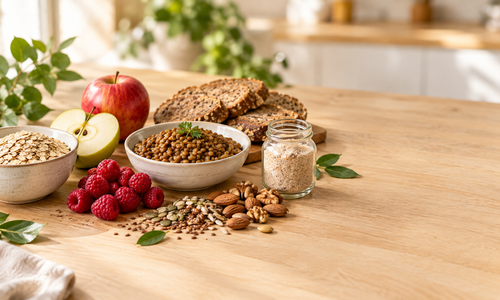
Natural sources of fiber include:
- Fruits
- Vegetables
- Whole grains
- Legumes
- Nuts and seeds
Fiber is one of the most widely studied components of a balanced diet — and one many adults don't get enough of.
How Fiber Differs From Other Nutrients
Most types of fiber aren't broken down the way sugars or starches are. That is why nutrition science treats fiber as its own category:
- It isn't fully broken down by digestive enzymes
- It is included in national dietary recommendations
- It behaves differently depending on whether it's soluble or insoluble
Different Types of Fiber
Not all fiber is the same.
Soluble Fiber
Soluble fiber absorbs water and forms a gel-like consistency.
It can be found in foods such as:
- Apples
- Oats
- Psyllium husk
- Citrus fruits
Insoluble Fiber
Insoluble fiber doesn't dissolve in water and keeps its structure.
Sources include:
- Whole grains
- Seeds
- Many vegetables
Both types occur naturally together in most fiber-rich foods.
Fiber and the Gut Microbiome
The digestive system is home to trillions of microorganisms, together known as the gut microbiome. Many of these microorganisms feed on dietary fiber. How fiber, diet, and the gut microbiome relate to each other is one of the most active areas of nutrition research today.
Why Many People Don't Get Enough Fiber
Modern lifestyles can make it surprisingly difficult to reach recommended fiber intake levels.
Common reasons include:
- Highly processed foods
- Low fruit and vegetable consumption
- Busy schedules
- Lack of awareness about daily fiber needs
As a result, many people consume significantly less fiber than nutrition experts recommend.
Simple Ways to Increase Fiber Intake
Adding more fiber doesn't have to be complicated.
Some practical strategies include:
- Choosing whole fruits instead of fruit juice
- Including vegetables with every meal
- Selecting whole grain products when possible
- Adding legumes to soups, salads, and meals
- Making fiber-rich foods part of a daily routine
Consistency is often more important than making dramatic changes.
Building Sustainable Habits
Habits are easier to keep when they fit naturally into everyday life. Rather than trying to overhaul your diet overnight, small daily changes can help you increase your fiber intake over time. Convenient fiber-containing foods make it easier to stay consistent.
The Bottom Line
Fiber is a key, well-studied component of a balanced diet — and most adults still consume less than recommended. Understanding what fiber is and where it comes from makes it easier to build small, sustainable habits around it.
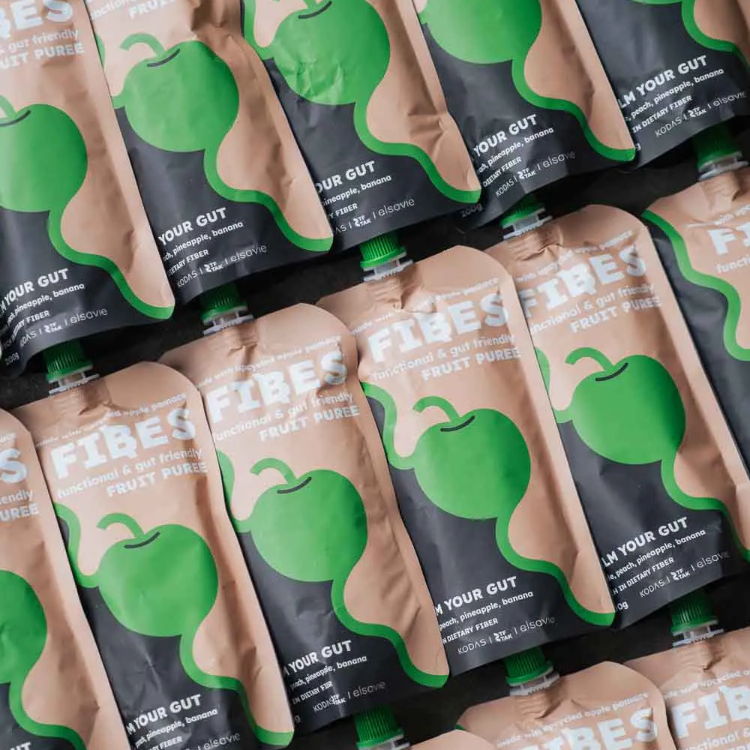
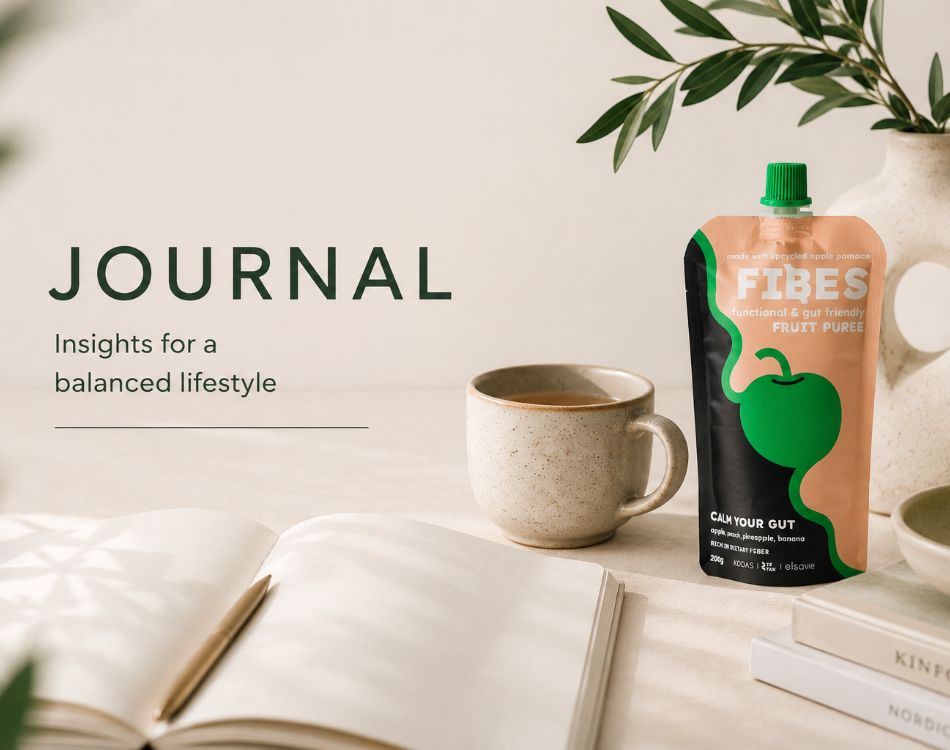
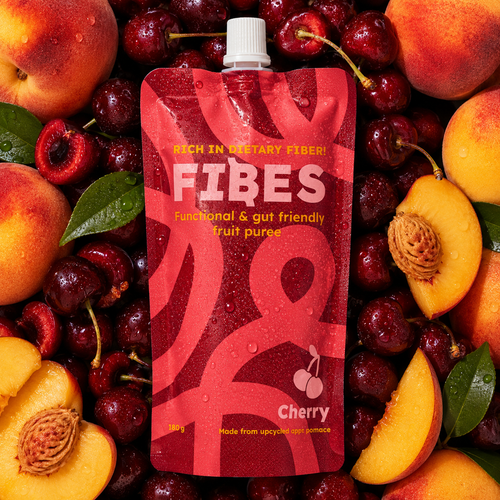
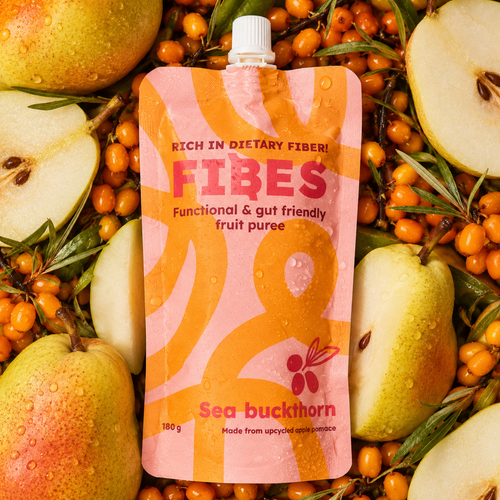
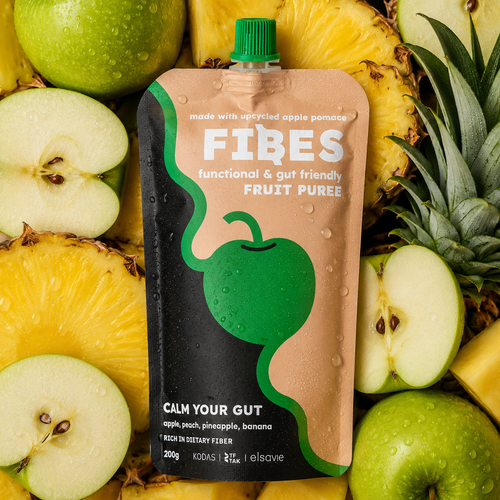
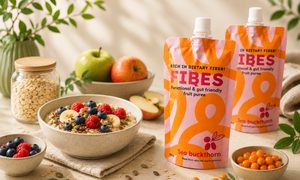
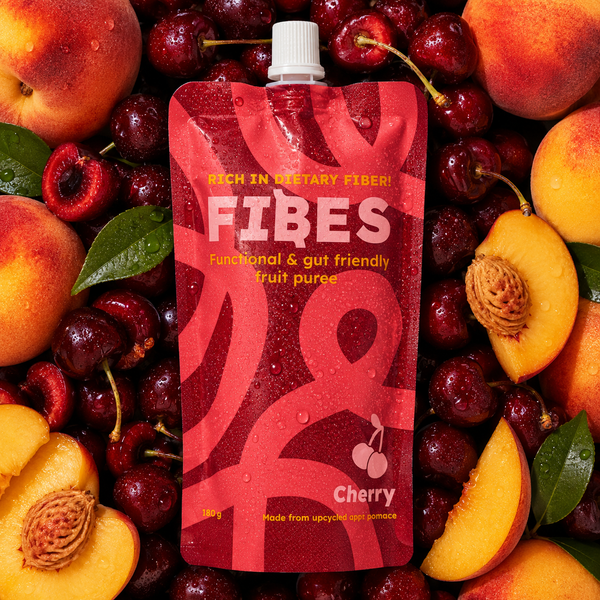
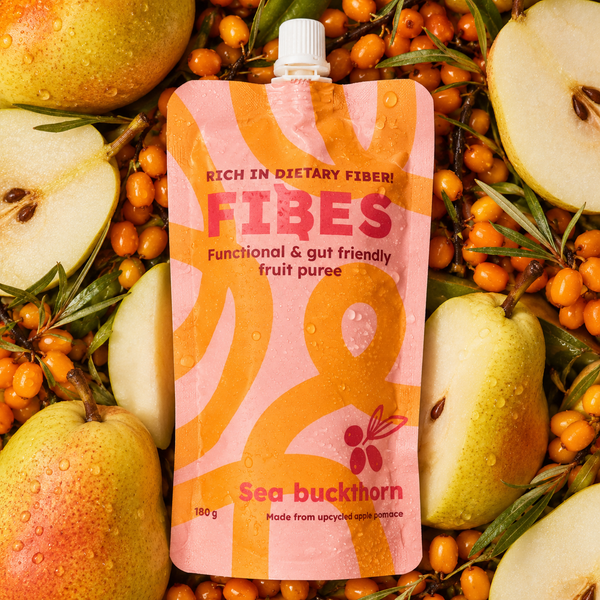
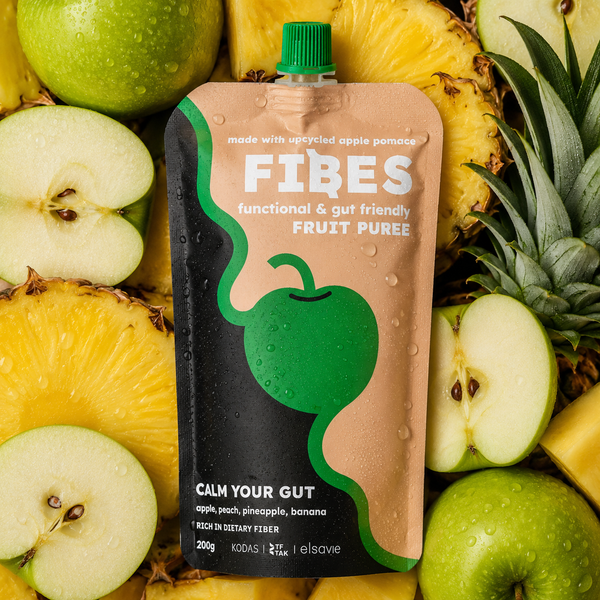
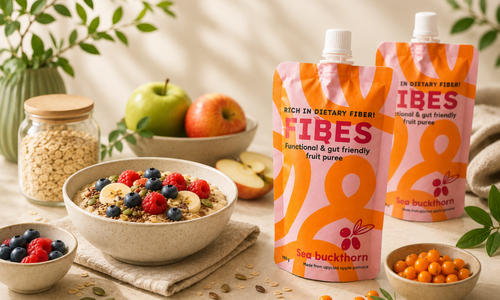
Getting more fiber into your day should be simple. That's what FIBES is for: real fruit and upcycled apple pomace, with approx. 6 g of fiber in a pouch you can take anywhere.
