


Why Do Most People Not Get Enough Fiber?
If you asked people whether they eat enough protein, many would have an answer. Ask the same question about fiber, and most people are not so sure.
Yet fiber is one of the most important nutrients for digestive health and overall well-being. Despite this, many adults consume far less fiber than recommended.
So why is getting enough fiber so difficult in modern life?
What Is Fiber?
Dietary fiber is a type of carbohydrate found in plant-based foods that the body cannot fully digest. Unlike sugars and starches, fiber passes through the digestive system largely intact.
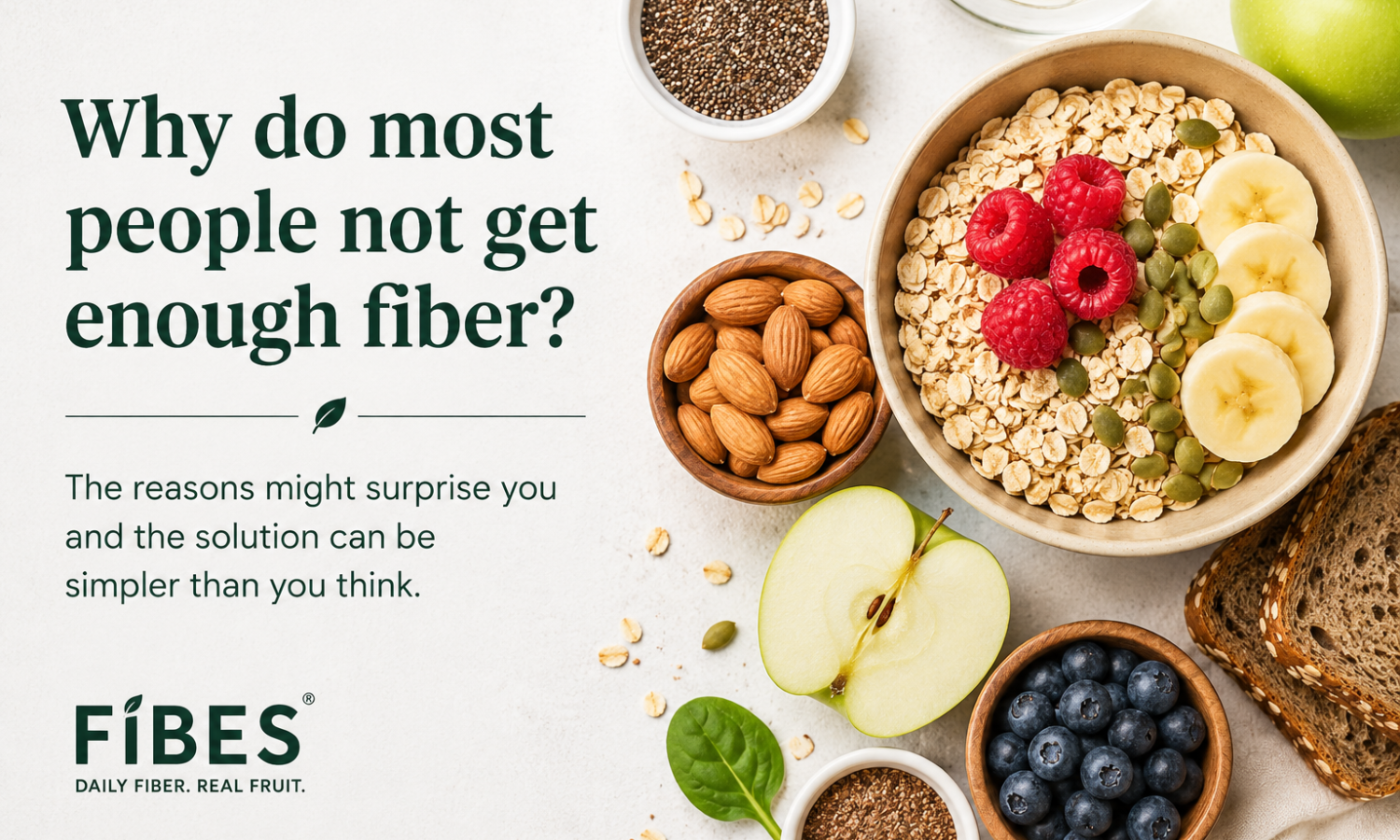
Fiber is naturally found in foods such as:
- Fruits
- Vegetables
- Whole grains
- Legumes
- Nuts and seeds
A balanced intake of fiber supports normal digestion and contributes to overall dietary quality.
How Much Fiber Do We Need?
Many health organizations recommend around 25–30 grams of fiber per day for adults.
While recommendations vary by country, studies consistently show that average intake often falls below these levels.
In other words, many people are not reaching the recommended daily amount.
Why Is Fiber Intake So Low?
1. Modern Diets Are Highly Processed
Many convenience foods are designed for taste, shelf life, and convenience. During processing, naturally occurring fiber is often reduced or removed.
Common examples include:
- White bread instead of whole grain bread
- Refined cereals
- Sugary snacks
- Fast food meals
These foods can be convenient, but they often contribute little fiber to the diet.
2. We Eat Fewer Fruits and Vegetables Than We Think
Most people know fruits and vegetables contain fiber. The challenge is consistency.
A piece of fruit here and there may not be enough to meet daily recommendations, especially when balanced against lower-fiber meals throughout the day.
3. Busy Schedules Lead to Simple Food Choices
When life gets busy, convenience often wins.
Quick breakfasts, takeaway lunches, and ready-made dinners can make it difficult to prioritize fiber-rich foods.
Many people are not intentionally avoiding fiber—they simply have other priorities competing for attention.
4. Fiber Isn’t a Trending Nutrient
Protein is discussed everywhere. Vitamins and minerals often receive attention as well.
Fiber, however, tends to stay in the background despite being an essential part of a balanced diet.
As a result, many consumers are unaware of how much fiber they consume each day.
Small Changes Can Make a Difference
Increasing fiber intake does not necessarily require a complete dietary overhaul.
Simple habits can help:
- Choose fruit as part of breakfast
- Include vegetables with lunch and dinner
- Opt for whole grain options when possible
- Add fiber-rich foods to your daily routine
- Read nutrition labels and compare fiber content
Small, consistent improvements are often easier to maintain than dramatic changes.
Making Fiber Part of Everyday Life
One reason many people struggle to get enough fiber is that healthy habits need to fit into real life.
The easier a habit is to maintain, the more likely it becomes part of a long-term routine.
At FIBES, we believe getting more fiber should be simple. That’s why our fruit-based pouches combine real fruit ingredients with dietary fiber in a convenient format designed for everyday use.
Final Thoughts
Fiber plays an important role in a balanced diet, yet many adults consume less than recommended. Busy lifestyles, processed foods, and inconsistent eating habits all contribute to the gap.
The good news is that improving fiber intake does not have to be complicated. Small daily choices can add up over time and help support a more balanced way of eating.