


Artikel: Ballaststoffe und Verdauung: Warum Ballaststoffe wichtig sind

Ballaststoffe und Verdauung: Warum Ballaststoffe wichtig sind
Wenn Menschen über Verdauungsgesundheit nachdenken, konzentrieren sie sich oft darauf, was sie vermeiden sollten. Einer der wichtigsten Faktoren zur Unterstützung eines gesunden Verdauungssystems ist jedoch die ausreichende Zufuhr von Ballaststoffen.
Trotz ihrer Bedeutung nehmen viele Erwachsene weniger Ballaststoffe zu sich als empfohlen. Das Verständnis, wie Ballaststoffe wirken, kann erklären, warum sie eine so wertvolle Rolle in einer ausgewogenen Ernährung spielen.
Was sind Ballaststoffe?
Ballaststoffe sind eine Art von Kohlenhydraten, die natürlicherweise in pflanzlichen Lebensmitteln vorkommen. Im Gegensatz zu anderen Kohlenhydraten werden Ballaststoffe vom Körper nicht vollständig aufgespalten und aufgenommen.
Natürliche Ballaststoffquellen sind:
- Früchte
- Gemüse
- Vollkornprodukte
- Hülsenfrüchte
- Nüsse und Samen
Ballaststoffe sind ein wesentlicher Bestandteil einer ausgewogenen Ernährung und tragen zu einer normalen Verdauungsfunktion bei.
Warum sind Ballaststoffe wichtig für die Verdauungsgesundheit?
Ballaststoffe unterstützen die natürlichen Prozesse des Verdauungssystems.
Eine ballaststoffreiche Ernährung kann helfen:
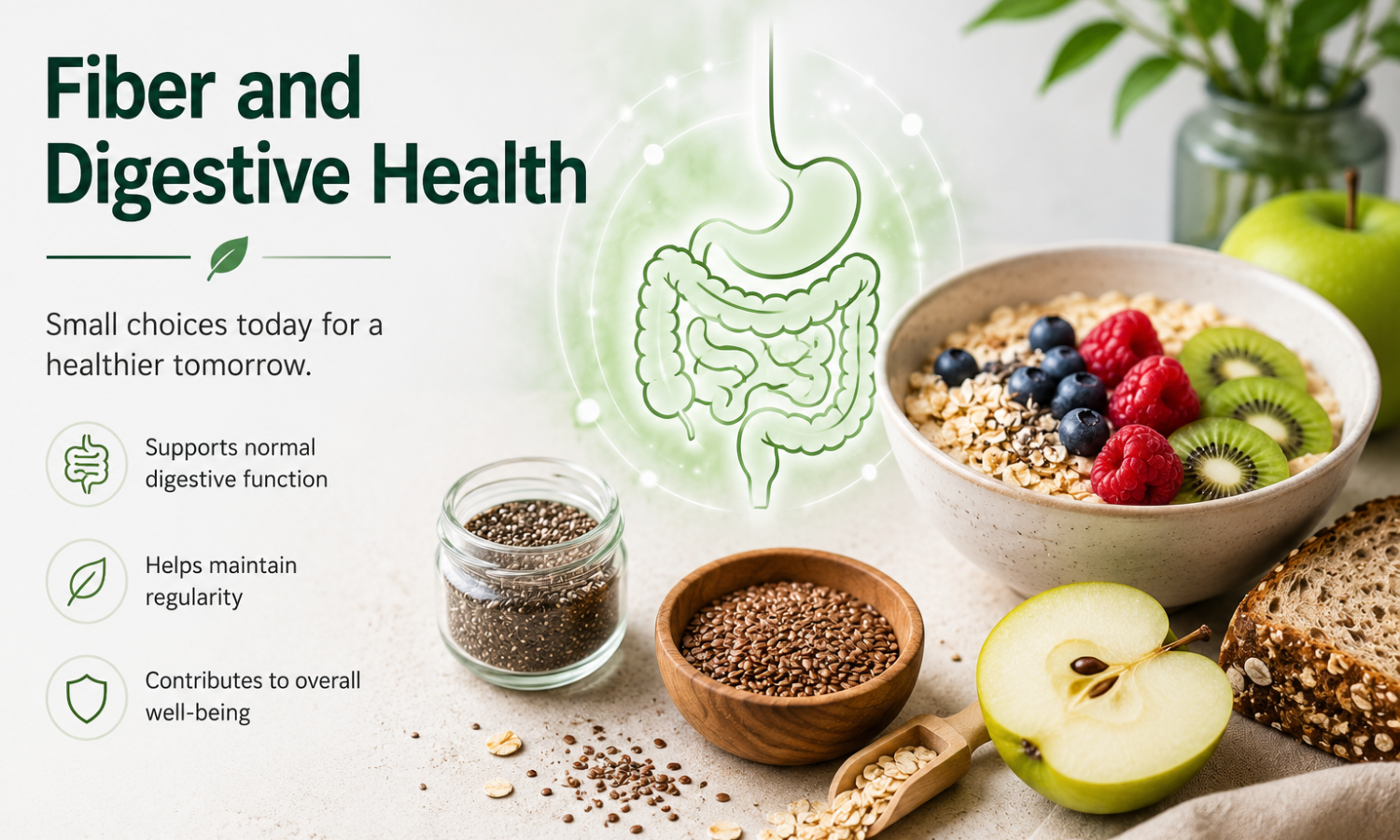
- Eine normale Darmfunktion zu unterstützen
- Zur Regelmäßigkeit beizutragen
- Eine ausgewogene Ernährung zu fördern
- Das allgemeine Wohlbefinden der Verdauung zu erhalten
Da Ballaststoffe das Verdauungssystem anders als viele andere Nährstoffe passieren, spielen sie eine einzigartige Rolle in der täglichen Ernährung.
Verschiedene Arten von Ballaststoffen
Nicht alle Ballaststoffe sind gleich.
Lösliche Ballaststoffe
Lösliche Ballaststoffe absorbieren Wasser und bilden während der Verdauung eine gelartige Konsistenz.
Sie können in Lebensmitteln wie den folgenden gefunden werden:
- Äpfel
- Hafer
- Flohsamenschalen
- Zitrusfrüchte
Unlösliche Ballaststoffe
Unlösliche Ballaststoffe erhöhen das Volumen und helfen, die Nahrung durch den Verdauungstrakt zu bewegen.
Quellen sind:
- Vollkornprodukte
- Samen
- Viele Gemüsesorten
Beide Arten von Ballaststoffen sind wichtig und arbeiten oft zusammen als Teil einer ausgewogenen Ernährung.
Das Darmmikrobiom und Ballaststoffe
Das Verdauungssystem ist die Heimat von Billionen von Mikroorganismen, die zusammen als Darmmikrobiom bekannt sind.
Viele dieser Mikroorganismen sind auf Ballaststoffe als Nahrungsquelle angewiesen.
Eine abwechslungsreiche Ernährung, die ballaststoffreiche Lebensmittel enthält, unterstützt eine vielfältige und ausgewogene Darmumgebung.
Forscher untersuchen weiterhin die Beziehung zwischen Ballaststoffen, Ernährung und dem Darmmikrobiom, was es zu einem der aktivsten Bereiche der heutigen Ernährungswissenschaft macht.
Warum viele Menschen nicht genug Ballaststoffe zu sich nehmen
Moderne Lebensstile können es überraschend schwierig machen, die empfohlenen Ballaststoffmengen zu erreichen.
Häufige Gründe sind:
- Hochverarbeitete Lebensmittel
- Geringer Obst- und Gemüsekonsum
- Volle Terminkalender
- Mangelndes Bewusstsein für den täglichen Ballaststoffbedarf
Infolgedessen nehmen viele Menschen deutlich weniger Ballaststoffe zu sich, als Ernährungsexperten empfehlen.
Einfache Wege zur Erhöhung der Ballaststoffzufuhr
Mehr Ballaststoffe hinzuzufügen muss nicht kompliziert sein.
Einige praktische Strategien umfassen:
- Ganze Früchte statt Fruchtsaft wählen
- Gemüse zu jeder Mahlzeit hinzufügen
- Nach Möglichkeit Vollkornprodukte wählen
- Hülsenfrüchte zu Suppen, Salaten und Mahlzeiten hinzufügen
- Ballaststoffreiche Lebensmittel zu einem Teil der täglichen Routine machen
Beständigkeit ist oft wichtiger als drastische Veränderungen.
Nachhaltige Gewohnheiten aufbauen
Gesunde Gewohnheiten sind leichter zu pflegen, wenn sie sich natürlich in den Alltag einfügen.
Anstatt zu versuchen, Ihre Ernährung über Nacht komplett umzustellen, können kleine tägliche Verbesserungen dazu beitragen, die Ballaststoffzufuhr im Laufe der Zeit zu erhöhen.
Viele Menschen erzielen Erfolge, indem sie bequeme ballaststoffhaltige Lebensmittel in ihre Routine integrieren und sich auf langfristige Beständigkeit konzentrieren.
Fazit
Ballaststoffe sind ein Schlüsselbestandteil einer ausgewogenen Ernährung und spielen eine wichtige Rolle für die Verdauungsgesundheit. Dennoch nehmen viele Erwachsene weniger zu sich als empfohlen.
Durch das Verständnis der Bedeutung von Ballaststoffen und das Treffen kleiner, nachhaltiger Ernährungsentscheidungen wird es einfacher, das Wohlbefinden der Verdauung als Teil eines gesunden Lebensstils zu unterstützen.
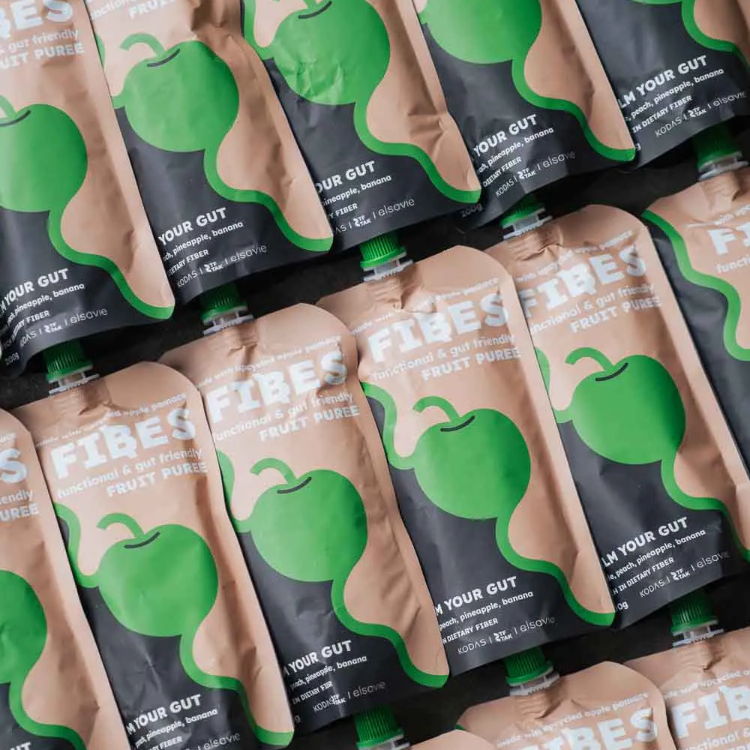
Bei FIBES glauben wir, dass das Hinzufügen von mehr Ballaststoffen zu Ihrem Tag einfach sein sollte. Deshalb kombinieren unsere fruchtbasierten Beutel echte Fruchtzutaten mit Ballaststoffen in einem praktischen Format, das für den täglichen Gebrauch konzipiert ist.